Experience
Learning includes outdoor lessons and educational field trips, alongside classroom work.

Learning at Leaders
Christian education at Leaders brings together strong academics, biblical truth, personal attention, and meaningful learning experiences.
Biblical worldview
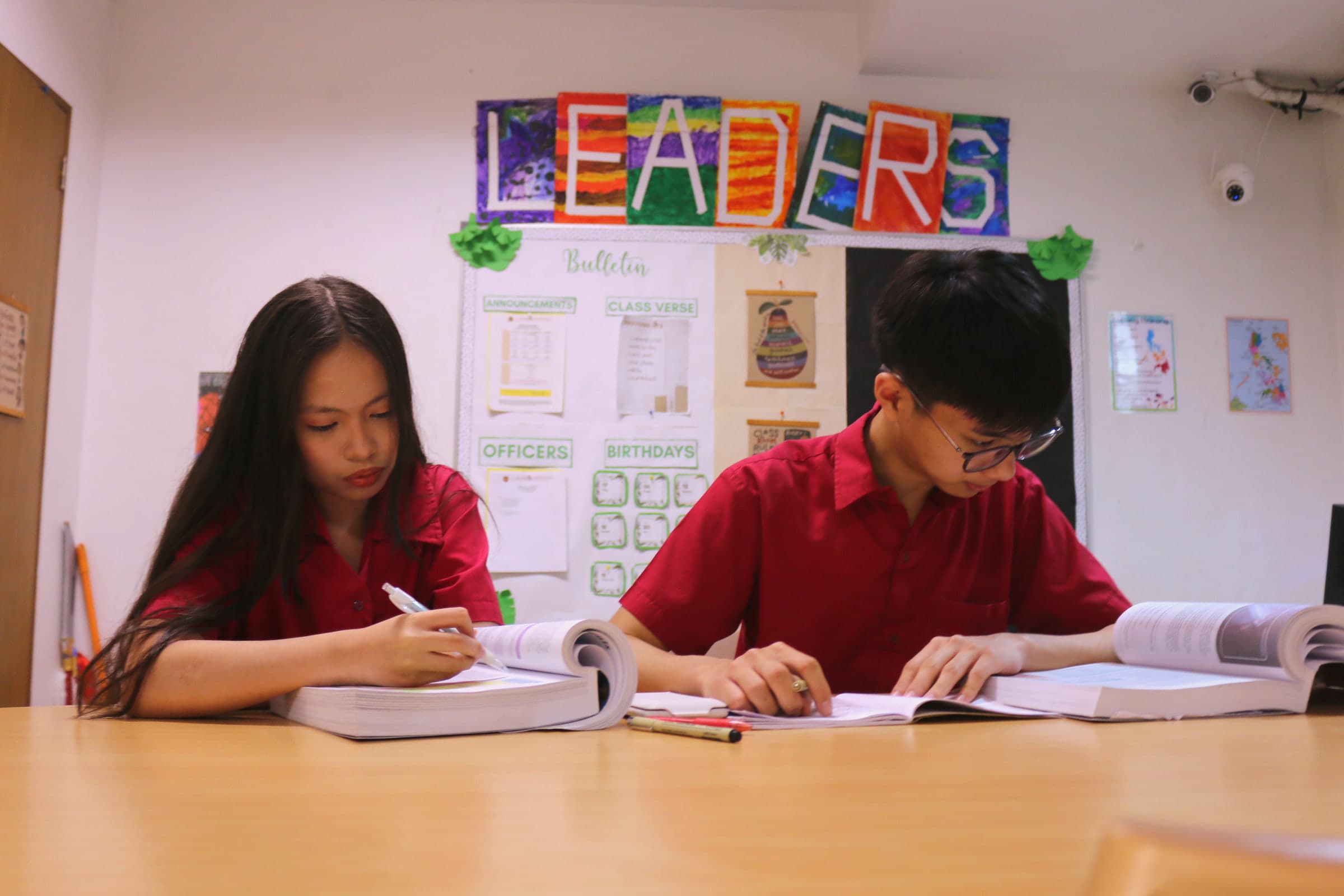
BJU Press provides the curricular foundation at Leaders because biblical truth and worldview are integrated across subjects. Christian education is not limited to Bible class; it shapes the questions students ask, the connections they make, and the way they understand the world.
This foundation works alongside academic rigor and critical thinking. Students are encouraged to understand, analyze, evaluate, connect, and apply what they learn with both discernment and purpose.
Personal attention
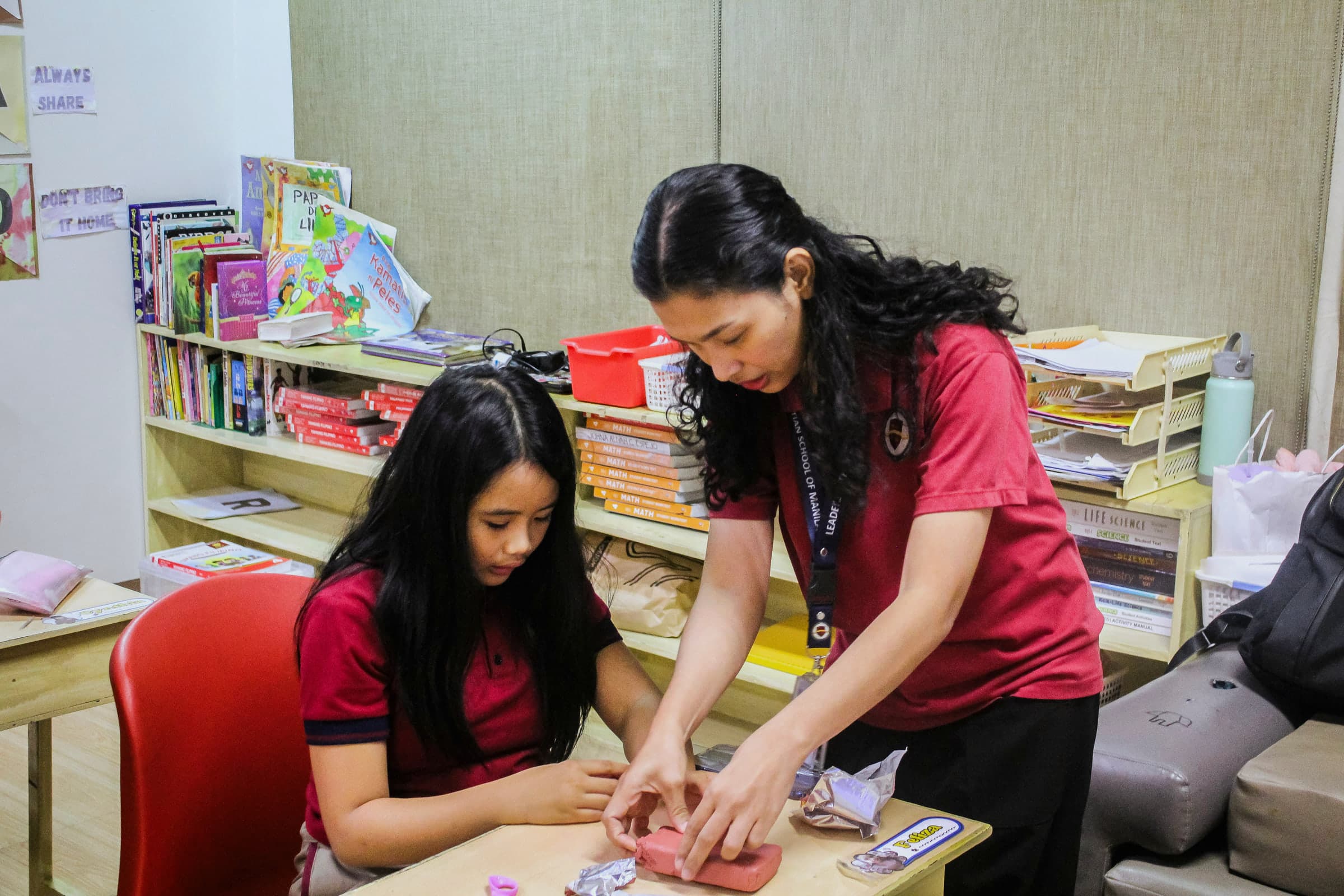
Leaders is intentionally small, with an approximately 10:1 student-teacher ratio and one section per grade. This gives teachers more opportunity to know students personally: their strengths, questions, progress, and areas where further support may help.
Leaders is introducing Khan Academy and Khanmigo for Grades 7–10 to provide additional self-paced learning and practice. These tools supplement classroom instruction and teacher judgment; they do not replace them.
Finnish-inspired direction
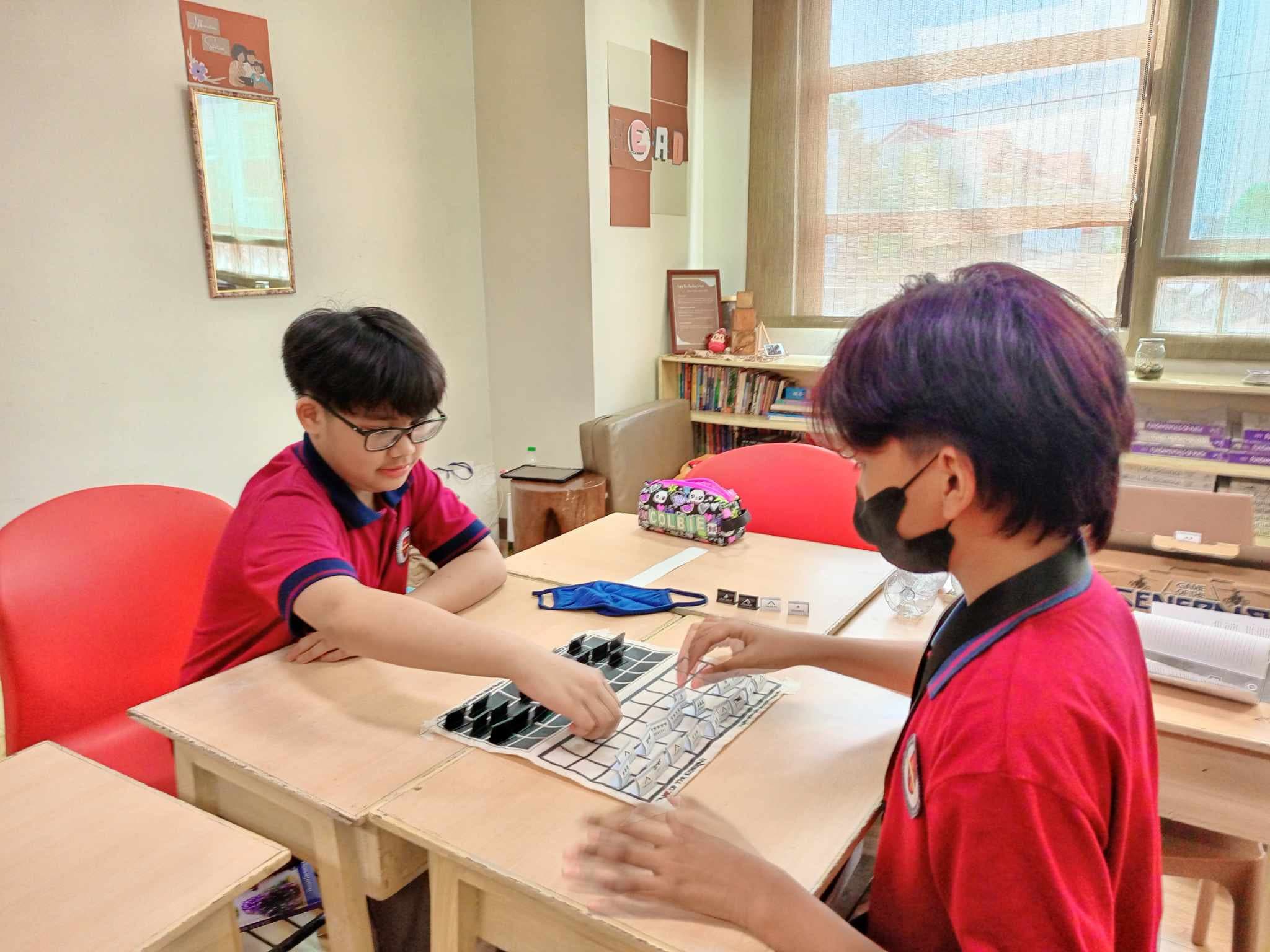
Leaders is developing a Finnish-inspired approach that gives students meaningful ways to encounter ideas beyond an ordinary lesson. The school is not a Finnish school and does not use the Finnish national curriculum.
Learning includes outdoor lessons and educational field trips, alongside classroom work.
Age-appropriate movement and play can help younger learners explore, participate, and build understanding.
During Family Day / Entrepreneurship and Leaders Start Up Week, students develop business ideas, create products, prepare booths, present ideas, and take part in selling activities. Tasks vary by age and grade.
Across the school years
Early foundations grow through guided discovery, confidence, communication, and a secure sense of belonging.
Explore PreschoolStudents build stronger academic habits, independence, curiosity, and the ability to work thoughtfully with others.
Explore Grade SchoolIncreasing responsibility and critical thinking prepare students to approach what comes next with greater purpose and maturity.
Digital literacy
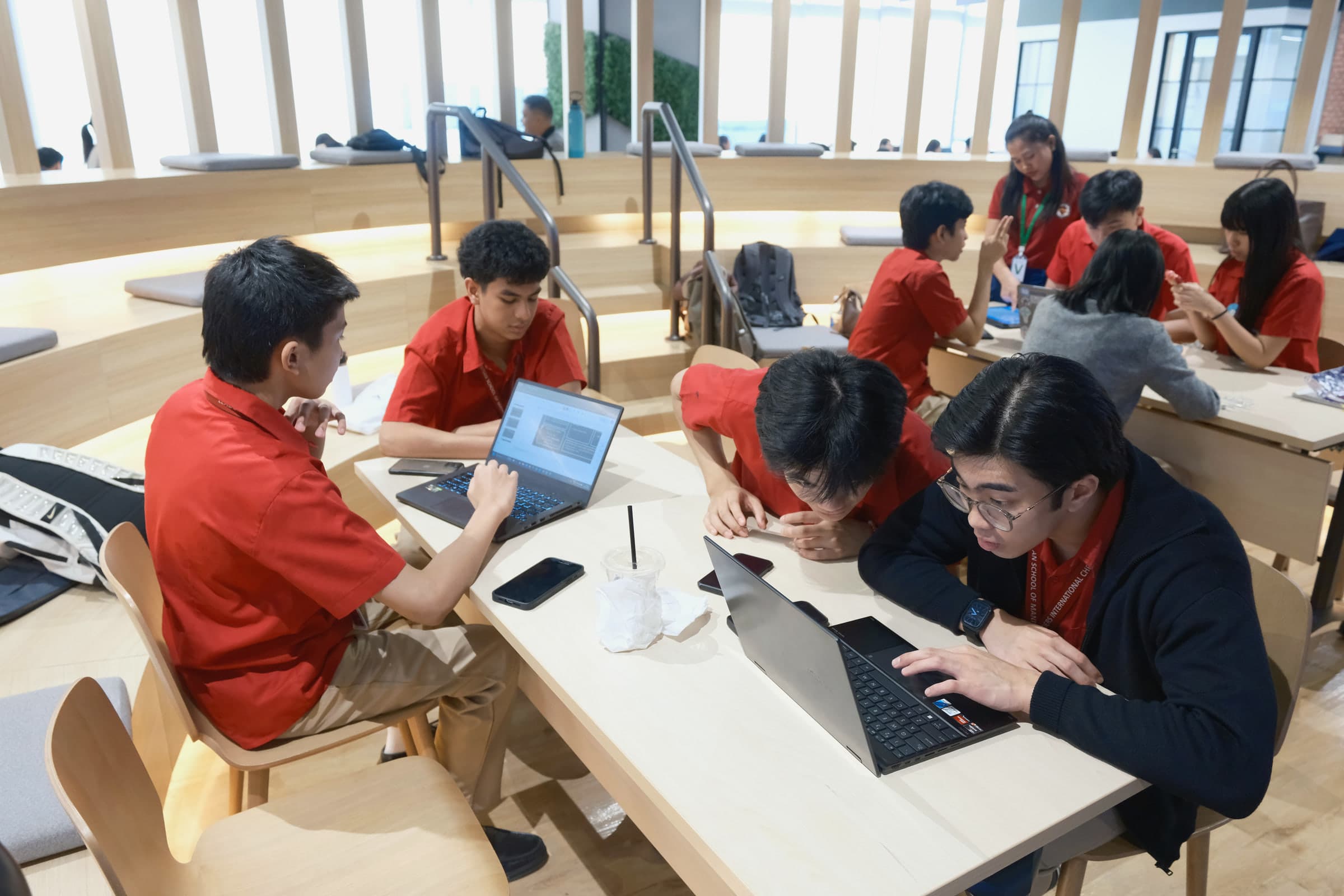
Students are growing up in a changing world. Leaders wants them to develop practical technology capability while also learning to use digital tools responsibly and thoughtfully.
This includes responsible technology use, online safety and digital citizenship, research, productivity, organization, critical thinking, and the responsible use of AI. Students should understand how tools such as AI assistants can support good work without replacing their own judgment.
Faith practiced together
Prayer, Bible learning, devotions, weekly chapel, and small-group discussions after chapel help students connect faith with everyday learning. Teachers may also guide students spiritually when questions or moments in school life make that appropriate.
Responsibility and stewardship
Leaders is developing a Japanese-inspired emphasis on cleanliness, responsibility, respect for shared spaces, and stewardship. In age-appropriate ways, students participate in caring for their environment and learn that shared spaces are a shared responsibility.
Essential facts